
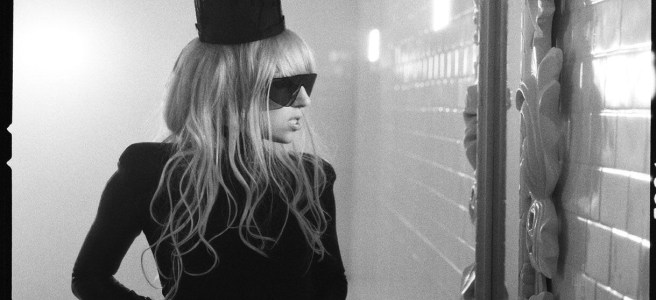
Bad Romance

Adventures in editing.

As I wait (still!) for answers from the second agent to whom I posed questions regarding the querying potential of my self published novel series, I have been keeping busy revising and editing the second book in the collection. Meanwhile, the fifth Bucks County Novel: Breaking Bread, has been in the hands of my beta readers for feedback. My backup plan is to pitch this book if the others in the series are untouchable, with the hope that if this one book catches an agent’s eye, then it might open the door for the other titles. 

My beta team is made up of 3 women and 2 men. Overall, reaction to the story was good. But like some of you who read it here on the blog, two of the beta readers thought the romance was lacking something. One of the women and one of the men agreed with some of the comments I received from you, my blog readers, that there wasn’t great chemistry between the couple. My male beta reader said it didn’t ‘sparkle’ the way the romances of the previous novels did. Obviously, I have some revising to do.

I admit to not feeling the romance between Maya and Brad myself, but I’m at a loss as to how to fix it. Does it need more tension? More heat? (FYI, I don’t write sex in my stories so it has to stay in the PG-13 realm. The four previous books were free of it and the romances worked without it.) Do they need more interpersonal communication? Or perhaps more internal dialogue to reveal what they are thinking about each other? Every romance needs an issue to resolve, something that prevents the couple from falling for each other immediately. After all, where’s the fun in that? 

I gave Maya and Brad two main issues work out. The first is that they’ve known each other as friends ever since they were kids. There is a history there that prevents Maya from seeing Brad as anything but her best friend’s brother. Although Brad has had feelings for Maya all those years, she never had any clue, nor were they reciprocated. Now as an adult, she has to begin to see Brad in new light: as an attractive man she could find love with in an entirely different way.

The second issue is that Brad has inherited a whole truckload of money and he wants to spend it on Maya. However, Maya is fiercely independent as a result of having no support either emotionally or materially from her family. She refuses his help even in little ways. It’s extremely frustrating for both of them. I thought… I thought… I addressed it pretty well about halfway in. 

Or maybe, just maybe…. the romance has to go.

Maybe I’m really not cut out to write romance. I may have exhausted my reserves with the other stories and I don’t have anything left to give these two. And I refuse to recycle the kind of thing I’ve already written. With some ruthless editing, I could still have an exciting mystery and the romance could just go away. Brad stays in Boston with his job and his friends and never even makes an appearance. Maya still has Olivia and Juan Paolo and Detective Jack Staley for company and finding love is not part of this novel. It wouldn’t be the end of the world, would it?

Any ideas, my friends?

Header image: Lady Gaga, video screen shot Bad Romance
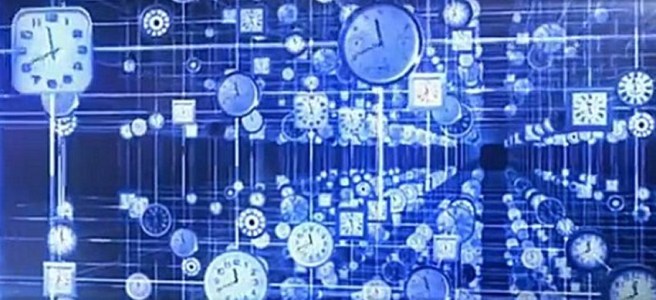
The past, the present and the future walk into a bar….

It was tense. -Jokes only grammar nerds would understand.

In English, verbs are divided into three main tenses which are related to time: past, present and future. Each of these is further divided into subcategories: simple tense, progressive tense and perfect tense. The subcategories tell us when a particular action has been done, is being done or will be done. Let’s examine each subcategory individually and with examples.

The Simple Tense:

The simple present tense tells an action that is usual or repeated.
For example: I write a blog post every day.

The simple past tense tells an action that both began and ended in the past.
For example: I wrote a blog post yesterday.

The simple future tense tells an upcoming action that will occur.
For example: I will write a blog post tomorrow.

So, write, wrote, will write are the simple present, past and future tenses of the verb write.

The Progressive Tense:

The present progressive tense shows action that’s in progress at the time the statement is written.
For example: I am writing my blog post right now.
Present progressive verbs are always formed by using am, is or are and by adding –ing to the verb.

The past progressive tense shows action that was going on at some time in the past.
For example: I was writing my blog post last night before bed.
Past progressive verbs are always formed by using was or were and adding -ing to the verb.

The future progressive tense shows action that will continue on into the future.
For example: I will be writing my blog post long after everyone else has gone to bed.
Future progressive verbs are always formed by using will be or shall be and adding –ing to the verb.

So am writing, was writing and will be writing are the progressive present, progressive past and progressive future tenses of the verb write.

Here’s where it get’s tricky…

The Perfect Tense:

The present perfect tense conveys action that happened sometime in the past or that started in the past but is ongoing in the present.
For example: I have written blog posts for over a year.
Present perfect verbs are formed by using has or have and the past participle form of the verb.

The past perfect tense indicates past action that occurred prior to another past action.
For example: I had written blog posts for over a year before I understood the rules of grammar.
Past perfect verbs are always formed by using had and the past participle form of the verb.

The future perfect tense can be used to illustrate future action that will occur before another action. For example: I will have written blog posts for over a year before understanding the rules of grammar.
Future perfect verbs are always formed by using will have and the past participle form of the verb.

So have written, had written and will have written are the present perfect, past perfect and future perfect tenses of the verb write.

Even trickier…

The Perfect Progressive Tense:

The present perfect progressive tense illustrates an action repeated over a period of time in the past, continuing into the present and possibly carrying over into the future!
For example: For the past year I have been writing blog posts.
Present perfect progressive verbs are always formed by using has been, have been and adding –ing to the verb.

The past perfect progressive tense illustrates a past continuous action that was completed before some other past action.
For example: Before I learned the rules of grammar, I had been writing blog posts for over a year.
Past perfect progressive verbs are always formed by using had been and adding –ing to the verb.

The future perfect progressive tense is used to illustrate a future continuous action that will be completed before some future time.
For example: Next month, I will have been writing blog posts for over a year.
Future perfect progressive verbs are always formed by using will have been and adding –ing to the verb.

So have been writing, had been writing and will have been writing are the present perfect progressive, past perfect progressive and future perfect progressive tenses of the verb write.

“Ok, great,” you say. “My head just exploded and for what?”

I admit this is a subtle thing, but if you pay attention to it you will realize that when tense is shifted in a sentence or a paragraph it throws the flow of the writing off. Therefore, follow this rule: Pick a tense and stick with it. Keep the past in the past, even if its not perfect…

Image courtesy: Message to Eagle

Write it like you’d watch it…

“And… Action!” the director orders.

The actors, already in position and waiting, begin to play out they parts in the scene. Perhaps they are fleeing for their lives, preparing to engage in hand-to-hand combat or in a steamy, passionate, heart-stopping kiss. A good director will shoot a scene over and over, coaching the actors until it plays just the want he or she wants it. The movements, the facial expressions, the gestures all have to be absolutely perfect for the scene to ring true, to be authentic. The very same principles can be applied to creating the action scenes in the written form. An author must visualize –watch the scene unfold in the imagination– then write. What works? What reads awkwardly?

In writing, we talk about SHOW versus TELL. In other words, don’t just say “Mary made a cup of tea.” Show Mary filling the kettle, lighting the stove, spooning tea leaves into the pot… and so forth. It makes for much more interesting reading because all these little actions help the reader “see” what the characters are doing. The best way to illustrate is by example, so let’s practice, shall we?

The fight:

Instead of saying: Brad punched Kerry in the nose….

Brad stood staring Kerry down, his fists clenched at his side. Kerry just didn’t know when to shut up. Insinuating that Brad’s intentions toward Maya were less than honorable was the last straw. And now he was laughing about it. Brad pivoted, putting most of his weight on his right foot. When his arm shot out, Kerry didn’t have time to react. As the clenched fist connected, Kerry felt as well as heard the crunch of bone, tasted blood in his mouth. His head spun as his neck whipped around from the impact and he stumbled. He grabbed the back of the chair to keep from falling when the next blow landed. All the air was sucked out of his lungs with the punch to the gut. The blood was pouring from his nose now. He was choking on it. He raised a hand in surrender. “Please,” he managed in a hoarse whisper.

Ok, that’s enough. You get the idea. Not my best writing, but good enough for our purposes. The point is that action sequences have to have, well, action. There has to be movement. Describe smells, tastes, textures and sounds: the taste of blood, the crunch of bone, for example. The reader can visualize the scene because of the detail the writer has provided. I know that some writers actually make up story boards for action scenes. It helps because it breaks a scene into its component parts. A caution — don’t get all listy. By that I mean, don’t list the components of a scene like: First, Brad put all his weight on his right foot, then he pivoted, then he threw the first punch and then… Get it? Listy – not good.

You might even want to watch a fight scene from film or TV to find some inspiration. The same would be true of a car chase, an attack by aliens or giant radioactive monsters… (All of which I may address in future posts. I know — you can’t wait.) Nevertheless, the principles apply.

Now let’s go to the complete other end of the spectrum to an example of a smaller, more subtle kind of action.

The kiss:

Instead of saying: Brad kissed Maya tenderly…

Tears streamed down Maya’s cheeks and it broke his heart. Brad crossed the room in three strides and took her in his arms. “Maya,” he whispered, framing her face with his hands. With his thumbs, he gently swept away the last of her tears. Her blue eyes were bottomless pools and he found himself sinking into them. With his heart thudding in his chest, he lowered his lips to hers, softly at first. Tentatively, he deepened the kiss as she responded. She sighed against him, parting her lips slightly, letting him in. She tasted like the salt of her tears but he didn’t mind. He teased with his tongue, slowly, languidly as if he could make this kiss last forever…

Ok, romantic drivel, I know. Sorry, dudes. There are things to consider when writing the perfect kiss. What are the kissers doing with their hands? Is it a chaste, first-time kiss or a passionate kiss between long time lovers? Do they angle their heads one way or another? (The nose gets in the way, after all!) How long does it go on? They may be out of breath when they finally break apart.

Speaking of breath, I know we don’t like to talk about it, but is it minty fresh, taste like cigarette smoke, coffee or the shot of whiskey he or she just tossed back? Think about textures again: his soft flannel shirt, her silky blouse, his rough and calloused hands, her glossy, swollen lips, his strong arms, her lustrous hair, blah, blah, blah.

You see what I’m saying, though, right? You, the reader, have the movie of the scene playing in your head while your eyes scan those words. Every time you write action, think about how the five senses are impacted. That is how you SHOW action, instead of just TELLing us that it happened.

I hope you found this to be useful. Now go write something!