(For past entries of the diary check here: One, Two, Three, and Four)
*Disclaimer: This is not an exhaustive how-to for novel writing, just a few things I learned along the way. Also, for those of you who are worried that I’m going to prattle on indefinitely, don’t panic. This series will come to a conclusion after a few more episodes.
In the last post, I was saying how important it is to choose the right location for your story and to be accurate and consistent in your descriptions. Well, accuracy and consistency should be maintained in other areas of writing, too. This means doing your homework. I’m not going to try and list a whole bunch of sources for you to use as references, because let’s face it, your genre and subject matter will determine the type of research you’ll need to do. Nonetheless, let’s just take a look at some things you should research, so you don’t get caught looking foolish by your savvy readers.
- Dates and times– Not exactly research, this is more like record keeping. Have
 you ever read a story where everything seems to have happened way too fast? And you realize it really did? For example, no one falls in love, gets married and has children in the span of a week or even a month! Make sure you place appropriate time gaps in the plot and keep track of them. This is where your timeline spreadsheet is a huge help. Add in dates where nothing is happening. It’s perfectly ok to say something like, “The whole month of October, we waited for a break in the investigation, but by November, the police had exhausted all their leads.” Now, pick up the action in the beginning of November.
 Weather– This is sort of related to dates and times in that, if the story is set in a locale where the weather changes with the seasons, your characters might be sweating in the heat of the afternoon, raking the leaves from the front yard, shoveling snow from the walkway, running for the door in the rain, etc. Remember, you’ll need to dress your characters appropriately. No one wears a coat in June in Pennsylvania for instance. Weather.com has all sorts of weather data for cities all over the globe. It takes a minute to check and make sure.
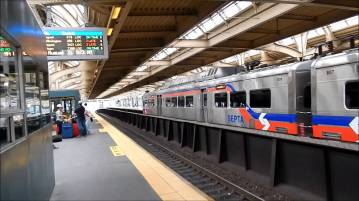
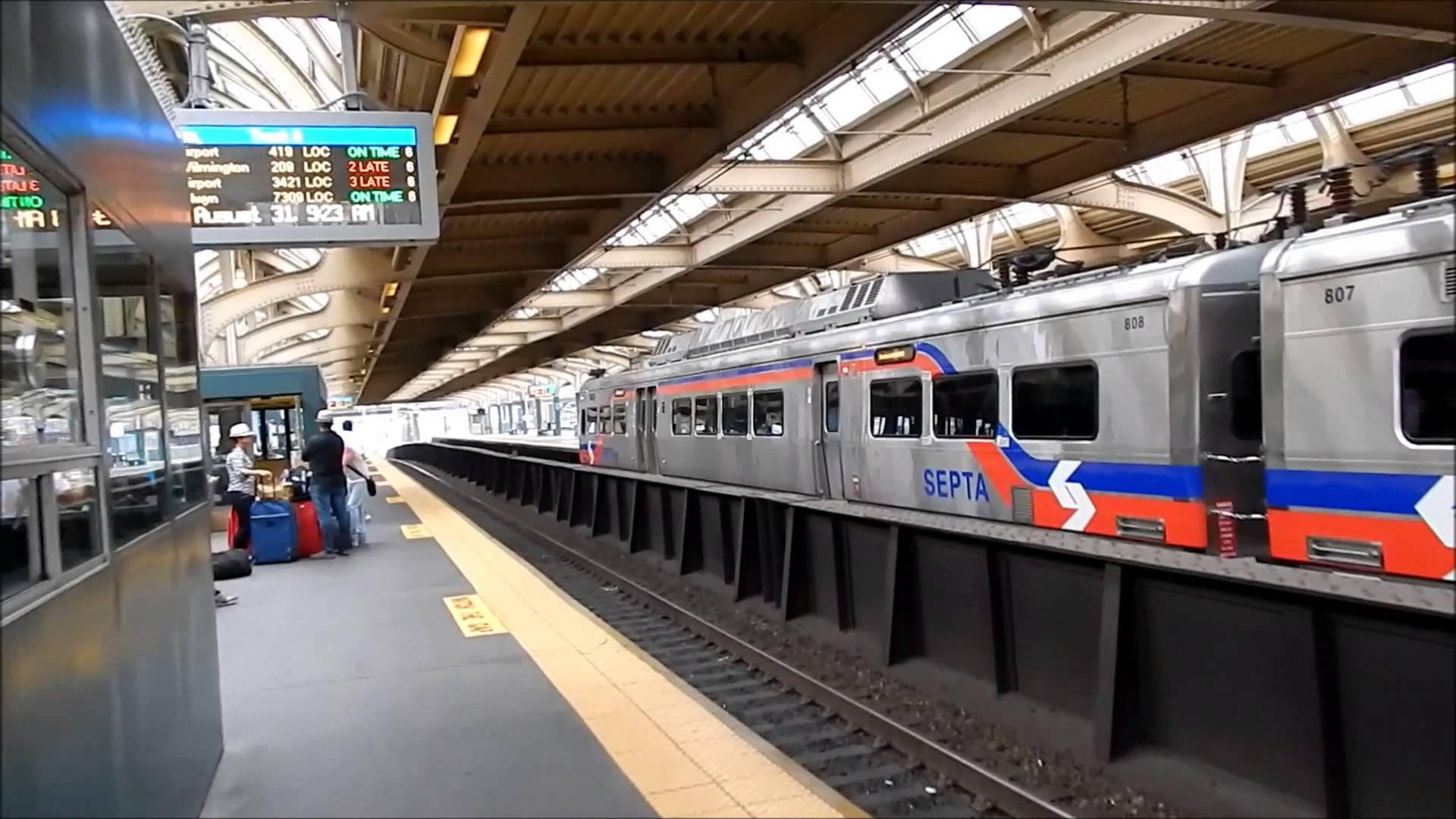
- Transportation– Maybe I’m the only wacko that this would bother but, check train schedules, bus schedules and flight times for airlines if you are using them. Does the airline you’re using really have flights into that city? Are there bus stops on the corner in that part of town? Here’s an example: In Seeing Red, my second book, my group of friends goes into Philadelphia to hear a band play at a bar. Initially, I had the group take the train into the city because I didn’t want them drinking and driving. I realized, however, that the last train leaves the city at midnight for the suburbs. That’s too early in the evening for what I wanted to happen upon their arrival back home. Rather than ignore the fact that the trains don’t run at 2 AM, I changed the action so that one of the friends became the designated driver, allowing them to stay in the city until the bar had closed.
- Historical accuracy– If you are writing about an actual event or series of events in history, even if it’s only a backdrop to your story, check your facts. Get the sequence of events straight. And don’t make up statistics! Seriously, in this day and age when we have information at our fingertips, there is no excuse for being sloppy! And it doesn’t have to be exhaustive research, just Google the subject and choose a reliable source. A word about Wikipedia. Even if you don’t fully trust Wikipedia, you can use it as a starting point. The references for their articles are listed at the bottom of the page. Yes, it’s an extra step, but worth the trouble if you’re not sure.
 Pop culture– Here’s an area where your story can get a dated feel to it. Mentioning music, film and TV shows will solidly place your story in a particular time period. Paris Hilton is so yesterday. Just saying.
- Politics, government and laws– I can’t speak for other nations around the world, but here in the USA, our laws may vary slightly from state to state. For example, in Pennsylvania you can’t buy beer or wine at supermarkets and convenience stores (Fascists!), although thanks to Wegman’s, this is beginning to change. The States all have websites that you can check for the laws in each one.
- Culture– This is especially important if you are writing a story set in a country (or even a region of your own country) that may have a different ethnic diversity, political ideology, religion (or lack thereof), standard of living or level of technological development.
Have I covered everything you could possibly need to research? Not a chance. I hope at least this was a helpful start. I guess all I’m saying is, take the time to write the story right. Inaccuracy ruins a book for me, no matter how great the plot is. So do your homework, people! Next time, a few words about proof reading, editing and beta readers.



 Meg Sorick, Author/Artist