
After yesterday’s Shameless self promotion No. 1, you knew there had to be another one, right? You can find out about all my books by visiting The Bucks County Novels page on my blog, but since that involves an extra step, let me make it easy for you. Seeing Red is the second novel in the series, set in Doylestown, the seat of Bucks County and about twenty minutes from my home in West Rockhill. Here is a synopsis of the story:
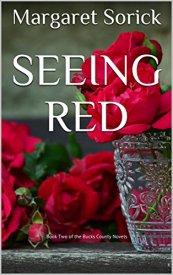 Beautiful, hardworking, Desdemona Murray doesn’t see herself the way others do. She only remembers the awkward teenager she once was. The talented landscape designer is hired to install a custom deck at the home of star football player, Ethan Samuels. When she catches the eye of the handsome professional athlete, and he begins to pursue her relentlessly, she is at first, flattered and amazed. However, her heart belongs to a man whom she believes only considers her a friend. Adam Quinn has always been a ladies man, not one to settle down, or so she thinks. Little does she know, his feelings for her run much deeper. When Des finally sees both men for who they really are, the choice she must make is obvious. But when she chooses, Des finds out how dangerous it can be to break free from a man who can’t take no for an answer.
Available on Amazon. Find it here!

And check out my Amazon Author Page for other titles.
 Life just got complicated for Jennifer Dunne. Her dead mother’s diary has revealed clues to a famous art heist from the 1960s. Have the missing masterpieces been hidden among her things all this time? Jen is targeted by a pair of ruthless criminals who certainly think so. Meanwhile, she’s falling in love with her new lawyer, who works with her to unravel the clues. But will the fledgling relationship survive when another handsome rival appears on the scene? And have the clues to the whereabouts of the missing masterpieces led them astray? Were the paintings hidden in plain sight all along?
 And visit my

 Meg Sorick, Author/Artist