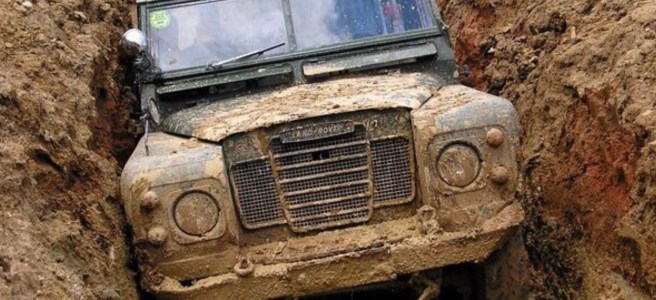

When you have all the time in the world…

This writer’s life.

I haven’t got a “real” job at the moment, I have all the time in the world and yet, I am having trouble focusing on the task of writing. While taking a break can be healthy and restorative, there is a risk of losing momentum, sometimes forever.

This must sound indulgent, but I really hope it doesn’t come off that way. Most aspiring authors are trying to fit writing in around work that pays the bills. I have the ‘luxury’ of being at home for the time being. Nevertheless, I’ve been a very busy woman for a very long time. I’ve been secularly employed from the age of 16 and this is the first time in all those years, I haven’t earned an income [aside from very modest book royalties, which only amount to the cost of an occasional dinner out]. Anyway, my plan has been to use this time to concentrate on the next novel. I just can’t seem to get going. I have lots of excuses: taking care of the business of the international move, my office isn’t set up yet and my writing space is important to me, the house is too empty and I need to get a cat… Even writing blog posts instead of working on the novel! Doh!

I suppose it’s easy to procrastinate, knowing you have all the time in the world. Creative pursuits, unless of course, you have been commissioned to complete a project, and are on a deadline, tend to be more fluid. The book always needs further revision, the painting needs just a little more touching up or the drawing needs a slight adjustment. These things can become forever incomplete or unfinished. Even creativity needs to have a certain amount of discipline imposed upon it. It’s time I made a schedule and stuck to it. Plan my writing time and prioritize. And even if the writing isn’t good, developing the routine will be. Mediocre writing can always be revised. But first you have to write it. I really don’t have all the time in the world. It is a commodity that once expended is gone forever. Best get back to work!

Trust the Process

Trust the process” is a slogan used by fans of the NBA’s Philadelphia 76ers, though it has since become popular elsewhere in sports and culture. Coined during a rough patch for the team, it basically means “things may look bad now, but we have a plan in place to make it better.” – The Urban Dictionary

So yeah, the Sixers looked bad last night, but this isn’t about basketball.

Writers have rough patches, too. Maybe your work in progress is stalled. A project that started out with great potential fizzled the further you got into it. Perhaps you wrote your plot into a an unfixable mess and have to trash the whole thing and start over. You know what? This is the process. Working through all of the ups and downs, the mistakes and the disasters only makes you a better writer on the other side of it. That is of course, if you stick with it and trust the process.

The other day, a friend of mine who has been reading through all the Bucks County Novels sent me an email. In it he praised the first three books, loved them, in fact. But when he got to the fourth book: Tainted Inheritance, he noticed a change. Sloppy editing, spelling and grammar errors, a plot that dragged. He actually said he was thinking: “C’mon, wrap this up, Meg.” And you know what? He’s absolutely right.

Tainted Inheritance is my NaNoWriMo book. It’s the primary reason I will never, ever write like that again. I was so tired by the end of that marathon of writing that I avoided revision and neglected to have it professionally edited. And the result is a substandard novel. Now to be clear, I do think the overall story is good, great even. I just need to clean it up and pass it along to my man Kevin for editing. But the fact is, I do not have hurt feelings or wounded pride at the critique of my friend and fellow writer. Why?

There are differences between having a reader not like your book because it just isn’t their taste and having them not like it because it was badly written. I am not going to rewrite my story to satisfy someone else’s taste. However, if a reader genuinely points out an inconsistency, a flaw with the concept or some other sort of error, I am more than willing to accept the criticism and revise accordingly or apply the advice to the next project. I try my best to learn from the experience. And ignore the people who are just negative because they are mean.

This is one of those cases where the reader gets it. Valuable criticism and feedback are gold for a writer. It only makes us better if we listen and apply. Trust the process. It always works.

Bogged Down In the Telling

Sometimes I forget to listen to the most basic advice. One of the best ‘rules’ of writing is to show and not tell. ‘Telling’ or over-explaining in fiction can really make the story drag. Twice now, I’ve lost momentum in my two works in progress and haven’t realized why. After enthusiastic beginnings and two great plots to develop, the stories became burdensome and I lost interest and joy. How does that happen?

Fortunately, in talking it over with another writer, it was brought to my attention that with my science fiction piece, I had been trying to ‘tell’ everything –that is to provide an explanation for every little circumstance that arose in the story. Granted, it is my pet peeve when I don’t understand ‘why’ something is the way it is, so I tend to lay out settings and background information logically. But a little of that can go a long way. Additionally, information can be woven throughout the story incrementally so as not to overwhelm [read: bore] the reader in the beginning. Besides, I’m already asking the reader to suspend disbelief in writing science fiction, so it only follows that certain aspects just can’t be perfectly explained –they just ‘are’ they way I’ve written them. And trying to explain everything just makes the writing tedious. I know all this, but I just didn’t apply it. Showing and not telling is more enjoyable for the reader AND the writer.

Happy writing and productive editing!

Header image via Pinterest.