
Three Empty Frames – the synopsis

I dread writing the book blurb for the back cover and/or the Amazon website. I have trouble deciding on what to say and what to leave out. What follows is the long version of the book’s description. On the blog I can be as wordy as I want! Chapter One will be posted tomorrow. I hope you will enjoy it! And for those of you who have read it, I’ll be interested in your thoughts about the changes I’ve made.

Jennifer Dunne has just buried her mother. The tedious task of sorting through her mother’s things yields a discovery. A diary dating from the 1960’s hints at her mother’s involvement in a decades old unsolved mystery. Three priceless works of art, stolen from a Philadelphia museum have been missing since Halloween night in 1968. When Jen and new love interest, the handsome lawyer, Tommy Quinn, begin to unravel the clues, the Dunne family is targeted by a burglar. Coincidence? Just when Jen and Tommy believe they’ve discovered the location of the missing paintings, things turn dangerous.

Meanwhile, Jen and Tommy’s relationship is complicated by the arrival of a handsome executive from Prague who attempts to sweep Jen off her feet. Alexi Marek is wealthy, elegant, and charming. He is also not who he claims to be. The search leads down one blind alley after another until finally, Jen is sure she’s found the location of the lost masterpieces. But has the final clue led her astray yet again? Or have the paintings been hidden in plain sight all along?
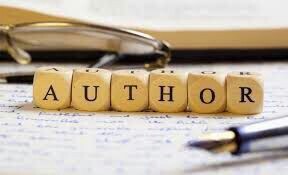
Some Positive Feedback

Always welcome when you’re struggling or unsure.

I sent the first five pages of my revised first novel to an agent after participating in a Writers Digest webinar. I finally heard back from her late yesterday. Here are her comments:

“Overall, really fantastic writing. It’s beautifully composed –and also subtle. So despite the rather brash setup of an ex-convict, this leaves me feeling very intrigued about the rest of the plot. Nice job! I don’t have any overarching notes for you, other than to continue working on loosening your dialogue. You’ve got a good start to it, but there are some scenes that come across as just a touch stiff. (Dialogue is hard; it will come with some revision, I’m sure.) Best of luck with your query process; I have no doubt you will find an agent!”

So that’s pretty cool, right? If you’re wondering why she didn’t ask for the full manuscript herself, she doesn’t usually represent this genre. However, having good feedback from professional agent is certainly encouraging. I have already made revisions to the opening chapter of Three Empty Frames and will post the final edition later this week. Thank you all for reading along!

Constructive and Destructive Criticism

We all like getting feedback, don’t we? Part of the purpose of blogging is being able to interact with people who share our interests and passions. Is it inevitable that we eventually encounter someone whose sole purpose seems to be to cause trouble? Probably. It’s happened to me and I know it’s happened to a few of my friends. I was recently a witness to a really nasty exchange in a writers’ forum on another social media site. An editor felt it her duty to denigrate someone who had made grammatical errors in a comment thread. That’s right, a comment. The conversation that followed was the equivalent of a verbal brawl. However, the writers who came to the defense of the error prone commenter made a compelling argument on her behalf.

The consensus among the writers was this: that we should not be held to the same standards for informal writing and commenting that we would be for our professional endeavors. This may or may not include your blog, depending on the type of blog you have. It should be obvious, but for a writer, the highest standards of grammar and punctuation should apply. It is, after all, your author platform. On the other hand, if you’re just blogging for fun, then it’s not as critical.

Nevertheless, if you are serious about becoming a writer, you must endeavor to use good grammar and punctuation. No agent or publisher is going to take you seriously if you submit sloppy work for publication. There are software programs, books and guides readily available to help you improve your grammar and punctuation. They are not that expensive, trust me. I picked up a copy of the classic: “The Elements of Style” by William Strunk for 99 cents on Kindle.

Back to the negative feedback… How does one react? Fortunately with WordPress, comments on our own blogs can be held for moderation, edited by the site author and deleted if they are really offensive. But what if you could tell that the counsel was given with good intentions? It is a sincere effort to correct a glaring error. Yet there it is in the comment thread, shining the light of disapproval on your hard work. Perhaps you could thank the commenter, make the correction and explain that you will delete the exchange after the fact.

However, on the part of the one making the critique, is it necessary to correct mistakes in public at all? What good does that do except embarrass the one who made the mistake? Is making the correction that important to you? Then perhaps find a way to do it privately. Ask yourself what your purpose is in making the correction. Do you really want to make sure the misconception or confusion is cleared up or are you just out to make yourself look smarter? Have you heard the expression “Would you rather be right or kind?” Think about it. Then do the right thing.

It’s a mean, mean world. We don’t need to contribute to it.